TRANSITION SPACES

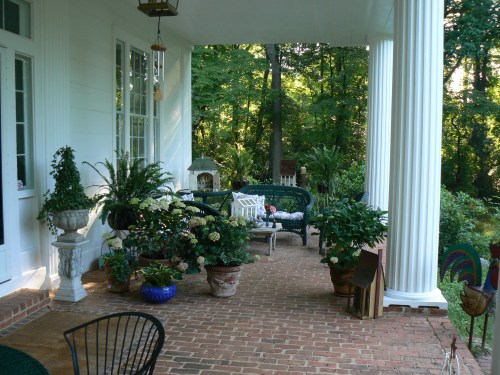
There are several types of transition spaces. The first would be the porch or veranda. Here the veranda unites both indoors and out, creating a continuous living space.
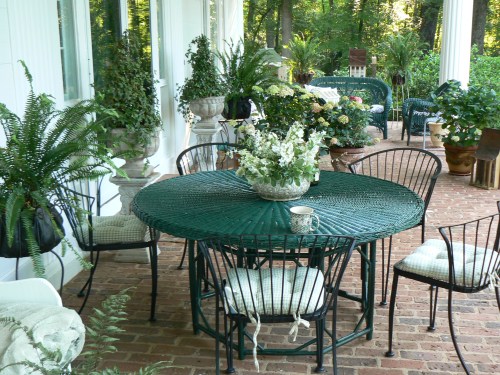
                                                                            

My veranda outfitted for a long hot summer of outdoor living. (above & below)
                                                                        

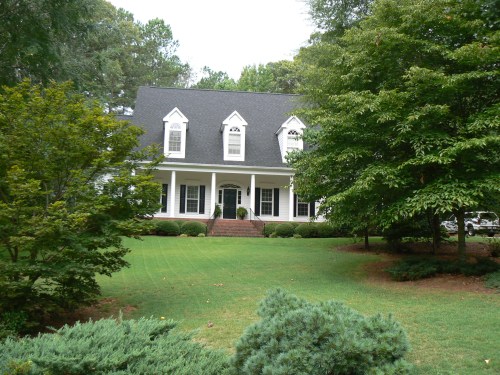
Below, the sweeping  lawn and the trees on either side anchor the house to the landscape, strengthening the relationship between architecture and site.
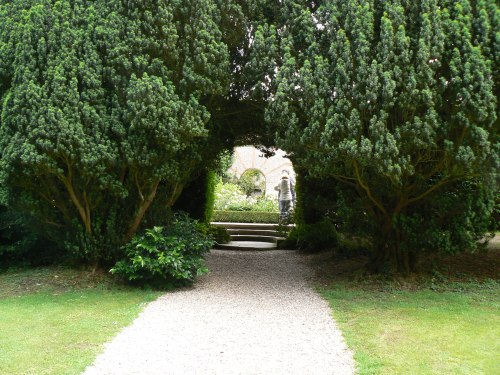
                                                                       Other transition spaces that create interest in the garden are pergolas, trellised walkways  or arbors.
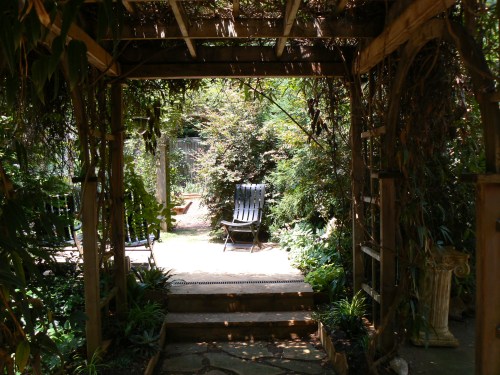
                                                                     

Here one passes through a dark shaded area into a pool of sunlight.
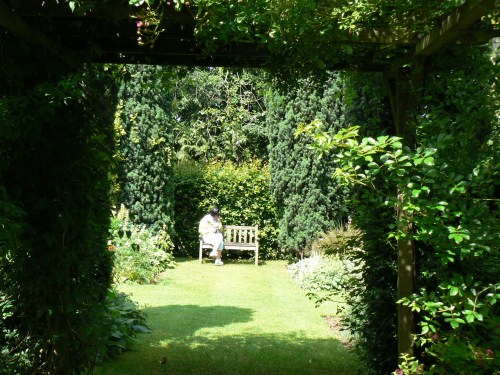


The above arbor was created using only plants. No Money? No excuse!

© All photos & text 2010

PLANT CRUSH OF THE MONTH

My latest plant crush is with Clematis. I have planted many at the feet of shrubs & trees and to my delight they make wonderful companions in the vase with Peonies.


Not all Clematis have large showy flowers. Some, like Betty Corning (below) have nodding bell-shaped blooms & fabulous fragrance.


Some, like ‘Josephine’ (below).  

    And ‘Belle of  Woking’ are fully double.


These plants may take several seasons to make a great show. Be patient, you will be richly rewarded.

DOWN THE GARDEN PATH

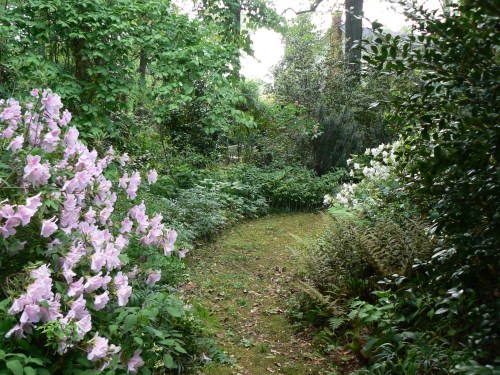
Curved paths create mystery. They take us to places we cannot see.


On the way to the compost bin,  I am greeted by Southern azaleas  (Rhododendron indica).  ‘George L. Tabor (pink) on one side and ‘G.G. Gerbing’ (white) on the other.

GERTRUDE JEKYLL & GARDEN ROOMS

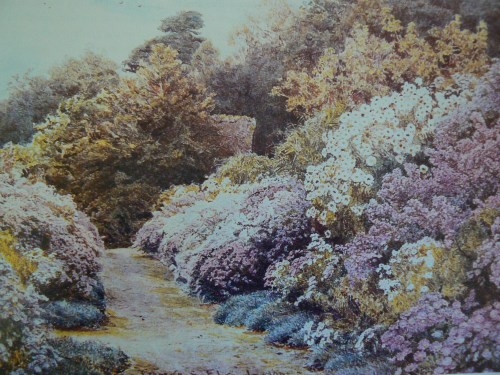
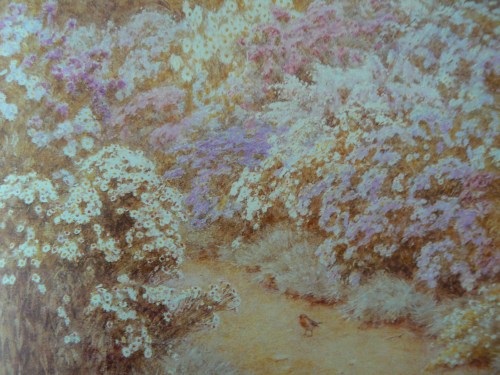
Probably one of the most influential garden designers of the early 20th century, Gertrude Jekyll, was a proponent of separating the garden into separate enclosed areas,  each devoted to a season, or a single plant.  She believed no garden could possibly be kept at it’s best for the entire season.

Below, her Autumn garden of Michaelmas Daisies. Painted by George Samuel Elgood.

Another view, painted by Helen Allingham.

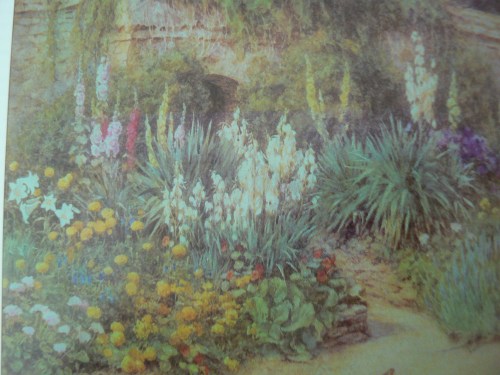
Allingham also painted a break in the main flower border. Notice how Jekyll used masses of yuccas as  punctuation points on both sides of the path.

These watercolors illustrate her lush planting style and skillful use of color.

Secrets of Companion Planting

“The best associations are between plants which have one element in common and another contrasted.”     – Dame Sylvia Crowe  (Distinguished British Landscape Architect)

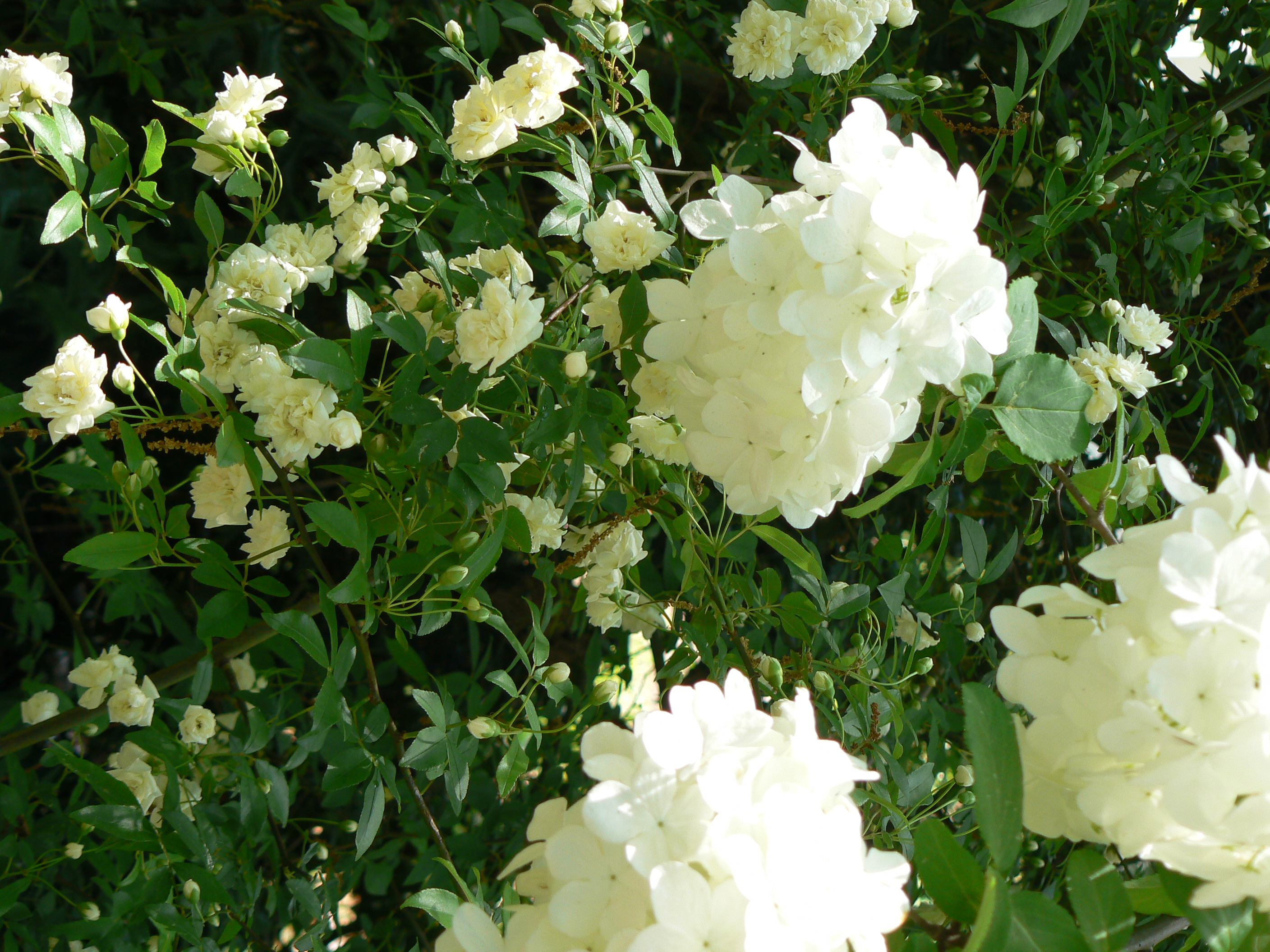
Here the common element is the color white, while the contrasting element is size.

Large blossoms compliments of the Chinese Snowball (Viburnum macrocephalum); small blossoms are the white Lady Banks Rose (Rosa banksiae ‘Alboplena’).